

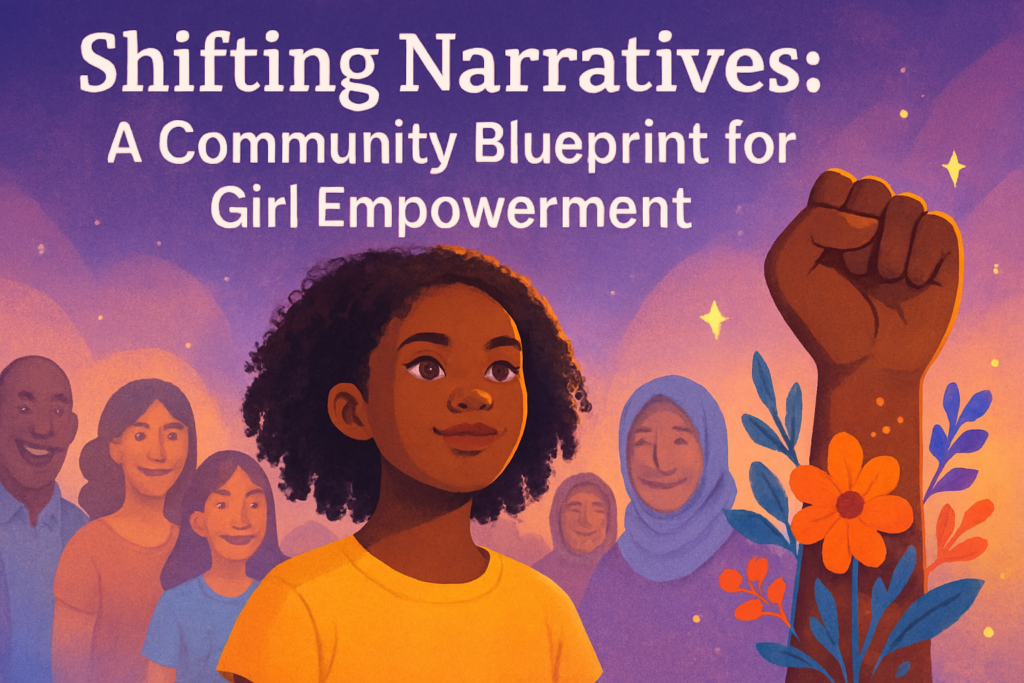
In a world where stories shape destinies, narratives are more than just words — they are powerful tools for girl empowerment in Nigeria. When communities come together to share, celebrate, and amplify the voices of girls, they create a blueprint for lasting change. At edu4her.com, we believe that every girl’s story is a seed of transformation that can inspire families, schools, and entire communities.
Why Narratives Matter for Girl Child Empowerment
Negative narratives have held girls back for generations. Stories of early marriage, limited education, and domestic roles continue to influence mindsets in many Nigerian communities. But positive, intentional narratives can rewrite this script.
Research and real-life examples show that when girls see successful role models from similar backgrounds, their aspirations soar. Storytelling builds confidence, challenges harmful norms, and encourages parents to invest in their daughters’ futures.
Key benefits of community narratives:
- Shifts mindsets: Replaces limiting beliefs with empowering ones.
- Builds solidarity: Creates support networks among parents, teachers, and leaders.
- Drives action: Encourages enrollment in school, digital skills training, and leadership programs.
- Preserves culture: Celebrates Nigerian heritage while advancing girls’ rights.
The Community Blueprint: How It Works
A Community Blueprint for Girl Empowerment is a collective strategy that uses shared stories to drive systemic change. Here’s how communities across Nigeria can build it:
- Collect and Amplify Local Success Stories Highlight girls who excelled in WAEC/JAMB, learned digital skills, or became community leaders despite challenges. Share these on social media, in churches/mosques, and at town halls.
- Parent and Family Storytelling Circles Create safe spaces where mothers and fathers discuss the benefits of educating girls. One educated girl can lift an entire family out of poverty.
- School-Based Narrative Programs Integrate storytelling, mentorship, and leadership training into curricula. Female mentors play a crucial role in making learning safe and inspiring.
- Digital Storytelling Platforms Use blogs, videos, and social media to reach wider audiences. Platforms like edu4her.com provide safe, female-mentored environments for girls to build confidence and skills.
- Partnerships with Leaders Engage traditional rulers, religious leaders, and local government to endorse girl-child education publicly.
Real Impact: Statistics That Inspire Action
- Investing in adolescent girls’ education in Northern Nigeria can yield massive economic returns — up to 21:1 in societal benefits.
- Educated girls delay marriage and childbirth, break poverty cycles, and contribute more to the economy.
- Programs like AGILE have already supported millions of girls with improved schools, scholarships, and life skills.
Yet challenges remain: millions of Nigerian girls are still out of school. Positive community narratives are one of the most cost-effective ways to change this reality.
How You Can Be Part of This Blueprint
- Parents: Share your daughter’s achievements and encourage her dreams.
- Educators & Mentors: Create platforms for girls to tell their stories.
- Community Leaders: Champion policies and cultural shifts that prioritize girls.
- Individuals: Support initiatives like edu4her.com that provide safe, quality education and digital skills for girls.
Every narrative you share becomes part of the foundation for the next generation.
Conclusion: Write Her Story, Shape Our Future
Narratives are the foundation of a powerful Community Blueprint for Girl Empowerment. By intentionally telling stories of resilience, achievement, and possibility, we can create a Nigeria where every girl thrives.
At edu4her.com, we don’t just talk about empowerment — we make it happen through safe learning, female mentorship, and parent support.
Ready to join the movement? Register your daughter today and help us build a brighter future, one empowered story at a time.
Educate a Girl. Transform a Nation.