

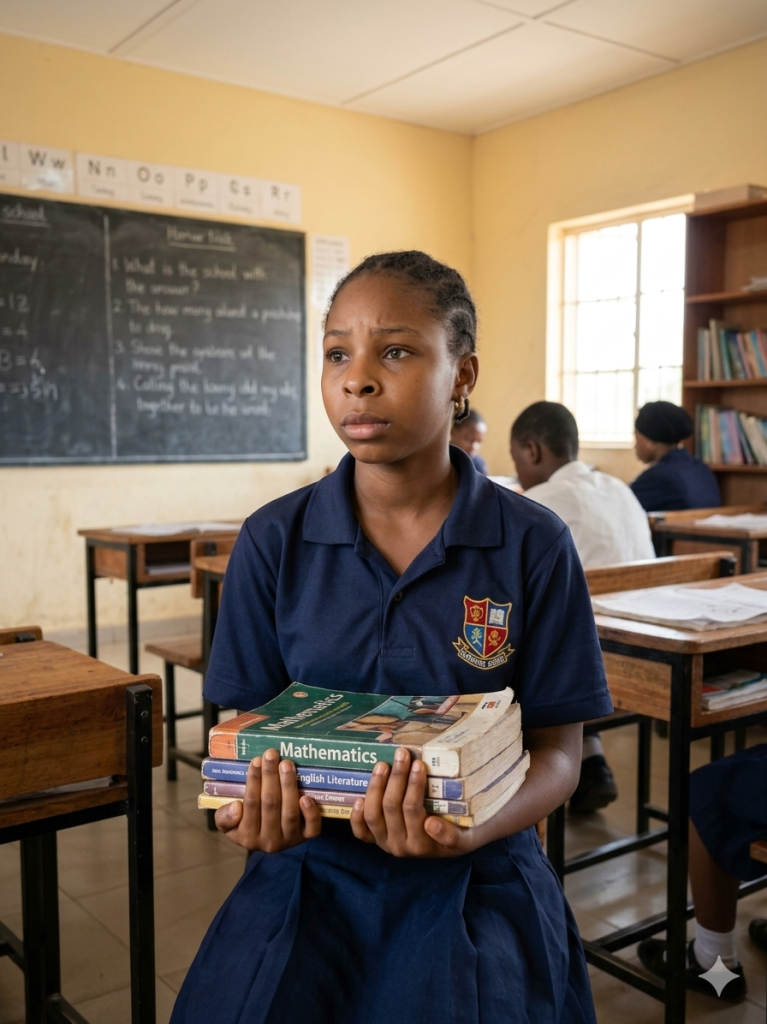
Menstruation myths continue to harm millions of girls worldwide, especially in developing countries like Nigeria. These myths don’t just spread misinformation—they directly affect girls’ education, confidence, and future opportunities.
For many girls, getting their period is not just a biological experience. It becomes a monthly obstacle to attending school, participating in class, and feeling confident among peers.
Despite growing awareness, menstrual myths and stigma remain one of the biggest hidden barriers to girls’ education.
In this article, we’ll uncover the most harmful menstruation myths—and the truth every girl and society needs to know.
Why Menstruation Myths Affect Girls’ Education
Menstruation should be a normal part of life. However, addressing cultural beliefs and misinformation has turned it into a source of shame and fear.
In many communities:
- Girls are told not to attend school during their period
- Menstruation is labeled as “dirty.”
- Open discussion is discouraged
This leads to:
- School absenteeism
- Poor academic performance
- Increased dropout rates
When a girl misses 3–5 days of school every month, she can lose up to 20% of her academic year. Over time, this gap becomes difficult to recover from.
Myth 1: Menstruation Is Dirty or Impure
The Truth:
Menstruation is a natural and healthy biological process.
The idea that menstruation is “dirty” is one of the most damaging period myths. It causes girls to feel ashamed of their bodies and avoid normal activities.
How It Harms Education:
- Girls feel embarrassed to attend school
- They avoid participating in class
- Their confidence drops significantly
When girls internalize shame, they begin to withdraw—not just physically, but emotionally and academically.
Myth 2: Girls Should Stay Home during Their Period
The Truth:
There is no medical reason for girls to skip school during menstruation.
This myth is one of the leading causes of absenteeism among schoolgirls.
How It Harms Education:
- Missed lessons and falling behind
- Lower academic performance
- Higher risk of dropping out
Missing school regularly creates a cycle that is difficult to break, especially in subjects that require consistency like math and science.
Myth 3: Girls Should Not Play or Exercise During Their Period
The Truth:
Physical activity is safe—and even beneficial—during menstruation.
Exercise can help reduce cramps, improve mood, and boost energy levels.
How It Harms Education:
- Girls avoid sports and extracurricular activities
- Reduced engagement in school life
- Feelings of exclusion and isolation
This myth limits not only physical development but also social confidence.
Myth 4: Talking About Menstruation Is Shameful
The Truth:
Open conversations about menstruation are essential.
Silence creates fear and confusion. Many girls experience their first period without any prior knowledge.
How It Harms Education:
- Girls feel afraid to ask for help
- Increased anxiety in school
- Poor menstrual hygiene management
When girls are uninformed, school becomes a stressful environment instead of a safe place to learn.
Myth 5: Menstruation Means a Girl Is Sexually Active
The Truth:
Menstruation is a natural sign of puberty, not sexual activity.
This harmful belief can lead to judgment, punishment, or restriction.
How It Harms Education:
- Fear of being judged or shamed
- Loss of parental trust
- Increased likelihood of school dropout
Girls should be supported—not punished—for natural body changes.
Myth 6: Girls Should Avoid Bathing during Their Period
The Truth:
Good hygiene is essential during menstruation.
Bathing regularly helps prevent infections and boosts confidence.
How It Harms Education:
- Poor hygiene causes discomfort in school
- Fear of odor or stains
- Reduced classroom participation
Confidence plays a huge role in learning, and hygiene directly affects it.
Myth 7: Only Girls Should Learn About Menstruation
The Truth:
Both boys and girls need menstrual education.
When boys are uninformed, it often leads to teasing and stigma.
How It Harms Education:
- Bullying and embarrassment
- Unsafe school environment
- Reduced participation by girls
Education should create understanding—not division.
The Link between Period Poverty and Menstrual Myths
Menstrual myths become even more dangerous when combined with period poverty—the lack of access to sanitary products and proper facilities.
Many girls:
- Cannot afford sanitary pads
- Lack access to clean toilets
- Have no private space in school
This forces them to:
- Stay home during their period
- Use unsafe alternatives
- Fall behind in school
Long-Term Effects on Girls’ Education
If menstrual myths are not addressed, the consequences are serious:
Academic Failure
Frequent absence leads to poor results and limited opportunities.
School Dropout
Girls who miss school regularly are more likely to quit entirely.
Low Self-Esteem
Shame and stigma damage mental health and confidence.
Limited Future Opportunities
Without education, economic independence becomes harder to achieve.
How to Break Menstruation Myths
- Education and Awareness
- Teach menstrual health in schools
- Include boys in discussions
- Provide accurate information
- Open Conversations
- Encourage parent-child communication
- Normalize discussions in communities
- Use media and storytelling
- Improve School Facilities
- Clean toilets with privacy
- Access to water and sanitary products
- Emergency support for girls
- Empower Girls
- Build confidence through education
- Provide mentorship and support
- Promote body positivity
Conclusion: Replacing Myths with Truth
Menstruation myths are more than just false beliefs—they are barriers to education, equality, and opportunity.
No girl should have to choose between her period and her education.
By replacing myths with truth, we can:
- Keep girls in school
- Build their confidence
- Create a more equal future
Menstruation is not a limitation. Ignorance is