

Introduction
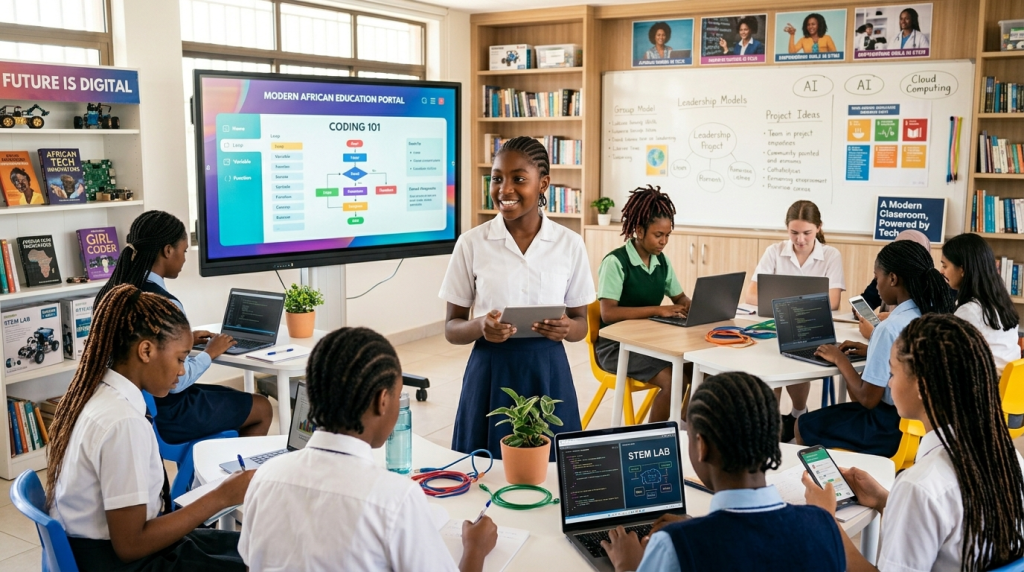
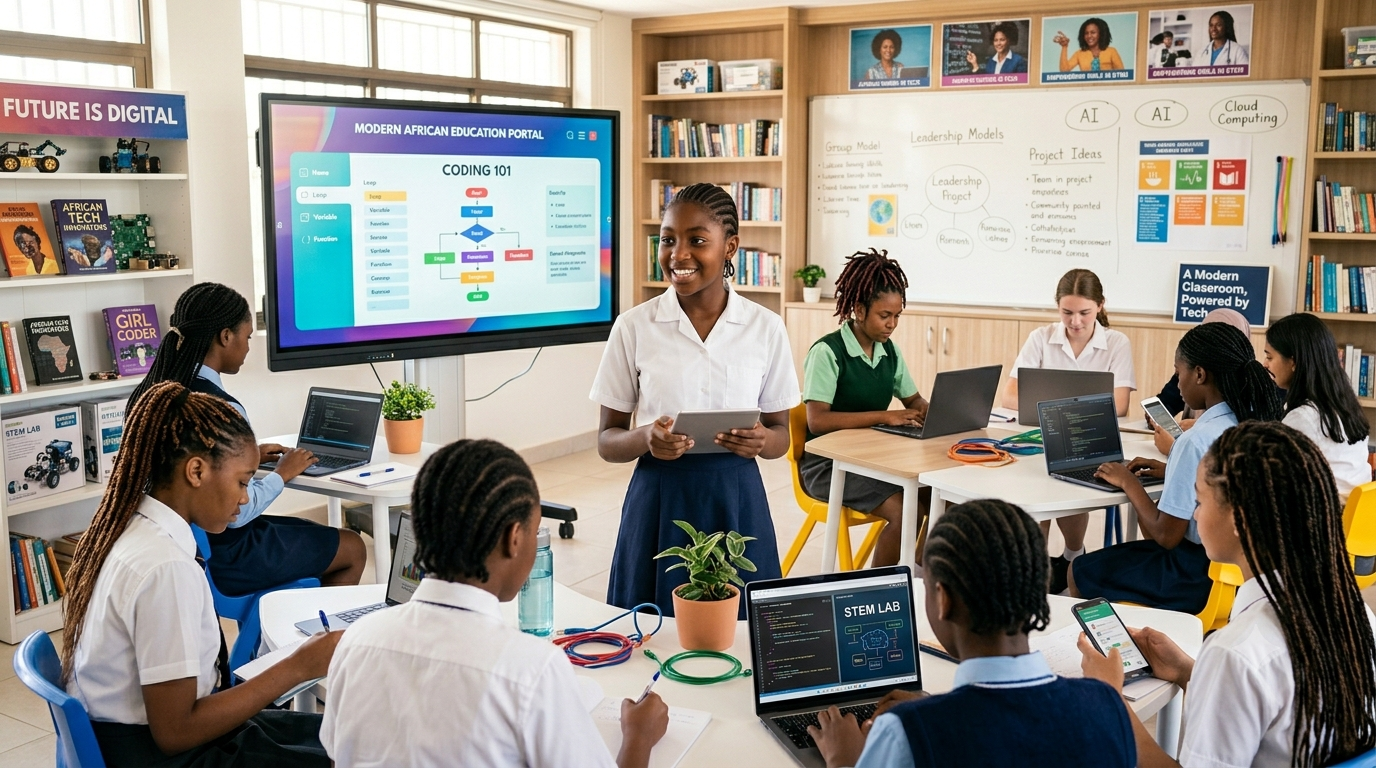
Understanding how technology is transforming education for girls in Africa shows the power of digital tools. Technology is transforming education for girls in Africa in ways that were unimaginable just a decade ago. Across the continent, millions of girls continue to face barriers to education, including poverty, cultural norms, early marriage, long travel distances to schools, and inadequate learning resources. However, digital technologies are helping to bridge these gaps by providing innovative learning opportunities, improving access to quality education, and empowering girls with the skills they need to thrive in the modern world.
From mobile learning applications and online classrooms to digital literacy programs and STEM initiatives, technology is opening doors for girls who might otherwise be excluded from educational opportunities. As African countries increasingly invest in digital infrastructure and educational technology, girls are gaining new pathways to learning, leadership, and economic independence.
This article explores how technology is reshaping education for girls in Africa, the challenges that remain, and the opportunities that lie ahead.
The State of Girls’ Education in Africa
Despite significant progress in recent years, many girls across Africa still face obstacles that prevent them from accessing quality education. According to international education organizations, millions of girls remain out of school due to economic hardship, gender discrimination, conflict, and social expectations.
Some common barriers include:
· Limited access to schools in rural communities
· Early marriage and teenage pregnancy
· Household responsibilities that reduce study time
· Safety concerns during travel to school
· Lack of qualified teachers and learning materials
· Gender stereotypes that discourage girls from pursuing STEM subjects
Technology is emerging as a powerful tool to address many of these challenges.
How Technology is Transforming Education for Girls in Africa Through Online Learning
One of the most significant ways technology is transforming education for girls in Africa is through online learning platforms.
Digital learning allows girls to access educational content regardless of their location. Students in remote villages can now participate in lessons using smartphones, tablets, or computers connected to the internet.
Online learning platforms provide:
· Recorded lessons
· Interactive exercises
· Virtual classrooms
· Digital textbooks
· Educational videos
· Assessment tools
This flexibility enables girls who may be unable to attend school regularly to continue learning from home.
During the COVID-19 pandemic, many African countries accelerated the adoption of digital education tools. While the crisis exposed inequalities in internet access, it also demonstrated the potential of technology to maintain continuous learning
Mobile Technology Bringing Education Closer
This shows how technology is transforming education for girls in Africa beyond urban centers. Mobile phones have become one of the most powerful educational tools across Africa.
The continent has experienced rapid growth in mobile phone usage, making educational content more accessible than ever before. Mobile learning applications allow girls to:
· Access lessons anytime
· Practice literacy and numeracy skills
· Learn languages
· Participate in digital classrooms
· Receive educational support
For girls living in underserved communities, mobile devices often provide the first opportunity to access high-quality educational resources.
Many organizations now deliver educational content through SMS, WhatsApp, and mobile learning applications, ensuring that learning remains accessible even where internet connectivity is limited.
Promoting Digital Literacy Among Girls
Digital literacy proves that technology is transforming education for girls in Africa at the skill level. Digital literacy is becoming an essential skill in today’s economy. Technology programs focused on digital literacy are helping girls develop competencies that will serve them throughout their lives.
Digital literacy programs teach girls how to:
· Use computers effectively
· Navigate the internet safely
· Conduct online research
· Create digital content
· Communicate professionally online
· Understand cybersecurity basics
These skills increase educational opportunities and improve employability in a rapidly evolving job market.
By introducing digital literacy at an early age, schools and nonprofits are preparing girls for future careers in technology, business, healthcare, and other sectors.
Technology is Transforming Education for Girls in Africa by Boosting STEM Access
Technology is also helping to increase female participation in Science, Technology, Engineering, and Mathematics (STEM).
Historically, girls have been underrepresented in STEM fields due to social stereotypes and limited access to role models. Today, numerous initiatives across Africa are using technology to inspire girls to pursue STEM careers.
Examples include:
· Coding bootcamps
· Robotics clubs
· Virtual STEM workshops
· Programming competitions
· Online mentorship programs
· Science innovation challenges
These initiatives expose girls to exciting career possibilities while building confidence in their technical abilities.
As more girls engage with STEM subjects, Africa can benefit from a larger and more diverse workforce capable of driving innovation and economic growth.
Access to Educational Resources
Technology provides girls with access to learning materials that were previously unavailable or difficult to obtain.
Digital resources include:
· E-books
· Educational websites
· Research databases
· Video tutorials
· Interactive simulations
· Virtual laboratories
Students can now explore subjects in greater depth and learn at their own pace.
For schools with limited physical libraries, digital libraries provide a cost-effective way to expand educational resources and improve learning outcomes.
Empowering Girls Through Personalized Learning
Every student learns differently. Technology allows educational experiences to be tailored to individual learning needs.
Adaptive learning platforms can:
· Identify strengths and weaknesses
· Adjust lesson difficulty
· Provide targeted feedback
· Track progress
· Recommend additional resources
This personalized approach helps girls build confidence and improve academic performance.
Students who struggle in traditional classroom settings may benefit in particular from technology-enabled learning experiences that accommodate diverse learning styles.
Rural Impact: How Technology is Transforming Education for Girls in Africa
Girls in rural areas often face the greatest educational disadvantages.
Technology is helping to close the urban-rural education gap by bringing learning opportunities directly to underserved communities.
Solar-powered devices, offline educational applications, and community digital learning centers enable girls to access educational content even in areas with limited infrastructure.
Some initiatives use preloaded tablets containing complete educational curricula, allowing students to learn without requiring constant internet connectivity.
These innovations are expanding educational access for girls who might otherwise be left behind.
Enhancing Teacher Effectiveness
Technology benefits not only students but also teachers.
Digital tools help educators:
· Access professional development programs
· Improve lesson planning
· Monitor student performance
· Deliver engaging lessons
· Collaborate with peers
Better-equipped teachers can provide higher-quality instruction, creating improved learning experiences for girls.
Online teacher training programs are particularly valuable in regions where access to traditional professional development opportunities is limited.
Building Confidence and Leadership Skills
Technology is empowering girls beyond academics.
Participation in digital learning communities helps girls develop:
· Leadership skills
· Problem-solving abilities
· Creativity
· Collaboration skills
· Communication skills
· Entrepreneurial thinking
Online mentorship programs connect girls with female professionals, entrepreneurs, and leaders who provide guidance and inspiration.
These experiences help girls envision broader possibilities for their futures and develop the confidence to pursue ambitious goals.
Technology and Financial Inclusion
Digital education often introduces girls to financial literacy and entrepreneurship skills.
Many educational technology programs include modules on:
· Personal finance
· Digital payments
· Entrepreneurship
· Business development
· Online marketplaces
These skills support economic empowerment and help girls prepare for financial independence.
As Africa’s digital economy continues to expand, girls equipped with technological and entrepreneurial skills will be better positioned to participate in emerging opportunities.
Challenges That Still Need Attention
Even with barriers, technology is transforming education for girls in Africa faster than traditional methods. Despite remarkable progress, several challenges continue to limit the impact of technology on girls’ education in Africa.
Digital Divide
Many communities still lack reliable internet access, electricity, and affordable devices.
Gender Gap in Technology Access
In some regions, girls have less access to digital devices than boys.
Affordability
The cost of smartphones, tablets, and internet connectivity remains a barrier for many families.
Digital Safety
Girls must be protected from online harassment, cyberbullying, and exploitation through strong digital safety education.
Infrastructure Limitations
Schools often require additional investment in connectivity, equipment, and technical support.
Addressing these challenges is essential to ensuring that all girls can benefit from educational technology.
The Future of Girls’ Education in Africa
The future of girls’ education in Africa is increasingly digital.
Emerging technologies such as artificial intelligence, virtual reality, and personalized learning systems have the potential to transform educational experiences.
Governments, educational institutions, nonprofits, and private-sector organizations must continue working together to:
· Expand internet connectivity
· Improve digital infrastructure
· Promote gender-inclusive technology policies
· Support STEM education
· Increase investment in educational technology
With sustained commitment, technology can help create a future where every girl in Africa has access to quality education and the opportunity to reach her full potential.
Conclusion
Technology is transforming education for girls in Africa by expanding access to learning, promoting digital literacy, supporting participation in STEM, and creating new opportunities for personal and economic empowerment. While challenges remain, technological innovation is helping break down barriers that have historically limited educational opportunities for girls.
As governments, communities, and development organizations continue investing in digital education solutions, millions of girls across Africa stand to benefit. By ensuring equitable access to technology and quality education, Africa can unlock the immense potential of its girls and build a more prosperous, inclusive, and innovative future.
Empowering girls through technology is not only an educational priority—it is an investment in the continent’s long-term development and success.