

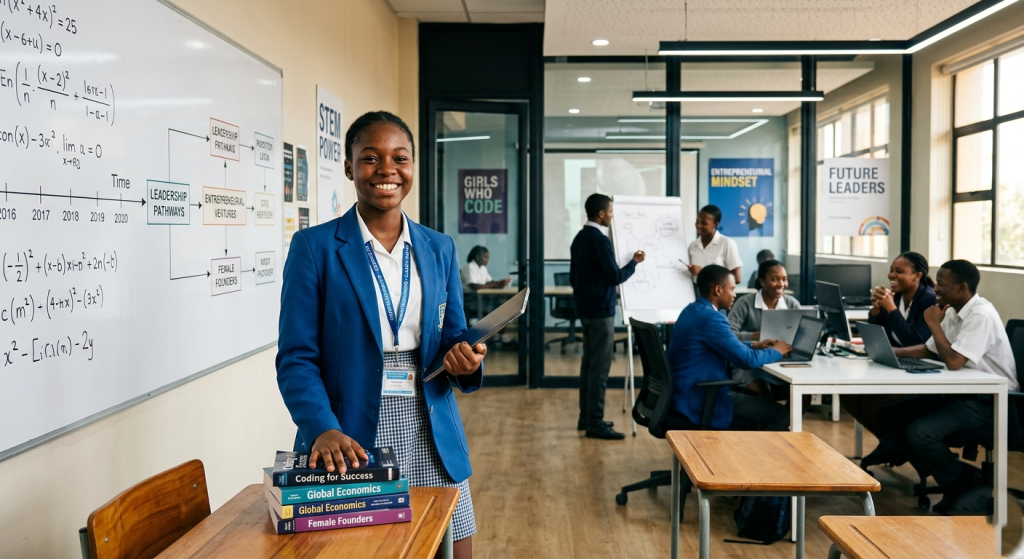
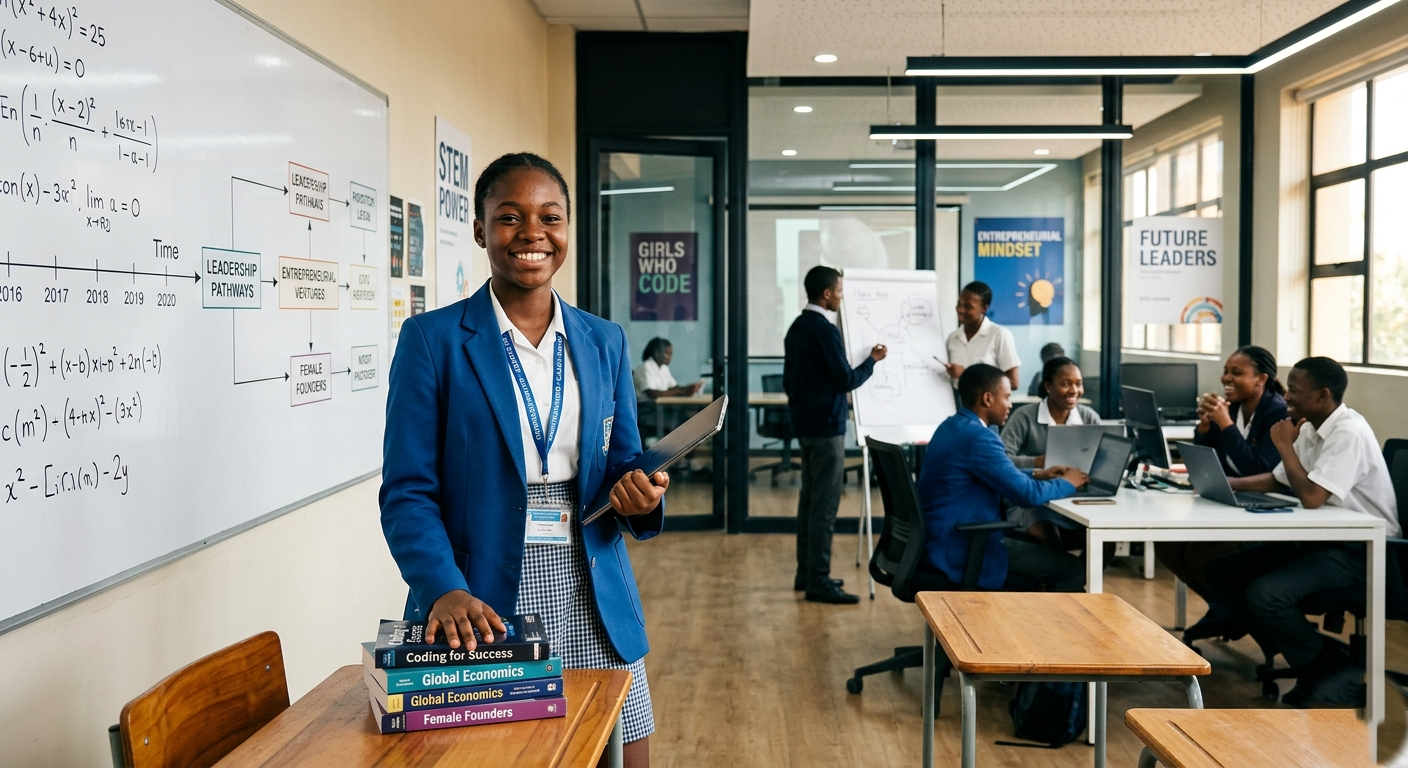
Girls’ education and economic empowerment start in the classroom, where girls gain skills to earn income and lead. For millions of girls worldwide, education is the key that connects poverty to opportunity, dependence to independence, and limitation to possibility. When girls have access to good-quality education, they gain the knowledge, skills, and confidence needed to build successful careers, earn steady incomes, and become leaders in their communities.
Although great progress has been made in recent years, many girls still face obstacles to getting an education.
These include poverty, early marriage, gender discrimination, and lack of learning resources. These challenges stop young women from achieving their full potential and from contributing to economic growth.
The good news is that education remains one of the strongest tools for changing girls lives.
By supporting girls’ education, families, communities, and nations can create a future where women can grow both economically and socially.
Here are ten important ways that education helps girls move from the classroom to income, leadership, and long-term success.
1. How Girls’ Education Builds Essential Knowledge and Skills
The path to economic empowerment starts with gaining knowledge. Through education, girls learn to read, write, and do math, as well as critical thinking and problem-solving skills that are important in today’s workforce.
Whether they want to work in health, technology, teaching, business, or start their own businesses, girls need a strong educational foundation to compete and succeed.
These skills not only improve job prospects but also raise earning potential throughout their lives.
An educated girl is better prepared to make smart decisions about her future and to adapt to changes in the economy.
2. Girls’ Education Increases Employment Opportunities
Employers look for people with relevant skills, qualifications, and work experience.
Girls who finish their education have more job options than those who leave school early.
Education opens up possibilities in both public and private sectors, offering women the chance for financial independence and career growth.
As more industries rely on knowledge and skills, educational attainment continues to be an important factor in getting meaningful jobs.
3. Why Girls’ Education Encourages Entrepreneurship
Many successful female entrepreneurs started by learning communication, math, business, and leadership skills in school.
Education helps girls spot opportunities, come up with new ideas, and learn how to manage resources.
It gives them the confidence to start their own businesses, create jobs, and support their communities economically.
Entrepreneurship allows women to earn a living, assist their families, and bring about economic transformation in their areas.
4. Girls’ Education Develops Digital Skills for the Modern Economy
The digital world offers many opportunities for young women.
From working remotely and freelancing to working in software and digital marketing, technology has created new career paths that didn’t exist a decade ago.
Education teaches girls the skills they need to use technology, work online, and take part in the global economy.
By learning digital skills, girls can find flexible work, work with people around the world, and build successful careers anywhere they choose.
5. Girls’ Education Reduces Poverty
Financial literacy is a key part of economic empowerment.
Through education, girls learn to manage money, save, budget, and make good financial decisions.
Understanding money helps women avoid debt, plan for emergencies, invest in the future, and reach financial stability.
Financially literate women are more likely to support their children’s education and well-being, creating a cycle of development across generations.
6. Education Builds Confidence and Self-Belief
Confidence is often what makes the difference between seeing an opportunity and acting on it.
Education helps girls develop self-esteem, communication skills, and a sense of purpose.
When girls believe in themselves, they are more likely to apply for jobs, ask for promotions, start businesses, and take on leadership roles.
Classroom experiences help girls work in teams, speak publicly, and stand up for themselves and others, making them confident and capable individuals.
7. Education Delays Early Marriage and Expands Opportunities
Research shows that girls who stay in school are less likely to marry early.
Delaying marriage gives young women time to continue their education, gain skills, and become independent before taking on family responsibilities.
This extra time allows for career development, further education, and personal growth.
As a result, educated women often have better economic outcomes and more influence in their homes and communities.
8. Education Creates Future Leaders
Leadership is not just for politicians or top executives.
Leaders can be found in schools, workplaces, businesses, and communities.
Education helps girls develop leadership qualities like critical thinking, collaboration, decision-making, and problem-solving.
These abilities allow them to bring about positive change and inspire others.
When girls become leaders, they help promote education, equality, health, and economic development, which benefits the entire community.
9. Education Reduces Poverty
One of the biggest effects of educating girls is its ability to reduce the cycle of poverty.
Educated women are more likely to have stable jobs, earn higher incomes, and improve their family’s quality of life.
Higher earnings allow women to invest in their children’s health, nutrition, housing, and education.
As more girls have access to good education, communities see better economic growth and less poverty.
10. Education Creates Generational Impact
The benefits of educating girls extend beyond the individual.
Educated women are more likely to ensure their children get an education, creating a lasting legacy of learning and opportunity.
This generational influence helps families be healthier, economies be stronger, and communities be more resilient.
When one girl learns, the positive effects can change the lives of many future generations.
The Role of Communities in Supporting Girls’ Success
While education is a powerful tool, girls need support from their communities to reach their full potential.
Families, schools, governments, non-profits, and community leaders all have a role in making sure girls have access to quality education.
Supporting girls means helping remove barriers like poverty, discrimination, poor school conditions, and limited access to technology.
Communities that focus on girls’ education are investing in long-term economic and social development.
Conclusion
The journey from the classroom to earning a living starts with access to good education.
Through education, girls gain knowledge, skills, confidence, and opportunities that help them earn steady incomes, become leaders, and lead successful lives.