

Introduction
The impact of menstrual health on girls’ school attendance is a critical barrier to education in Africa and low-income countries. For millions of girls around the world, menstruation remains a significant barrier to education. While menstrual health is a natural part of life, many girls face challenges that make attending school during their periods difficult. Limited access to sanitary products, inadequate school facilities, cultural stigma, and a lack of menstrual health education contribute to school absenteeism and poor academic outcomes.
Understanding the impact of menstrual health on girls’ school attendance is the first step to solving absenteeism. Ensuring proper menstrual health management is not only a matter of personal hygiene—it is a critical step toward improving girls’ education, gender equality, and long-term economic opportunities.
Understanding the Connection between Menstrual Health and Education
Menstrual health determines a girl’s ability to participate fully in school activities. Research from various countries has shown that many girls miss classes during menstruation due to discomfort, embarrassment, or a lack of resources.
Studies indicate that between 30% and 70% of school-aged girls miss school during their menstrual periods. Missing several days of school every month can result in weeks of lost learning time each year. As a result, girls often struggle to keep up with lessons, perform well academically, and participate confidently in extracurricular activities.
Beyond the educational impact, poor menstrual health management can also affect girls emotionally. Many experience anxiety, shame, and social isolation, which can further reduce their confidence and willingness to attend school regularly.
Major Challenges Affecting Menstrual Health in Schools
1. Limited Access to Menstrual Products
One of the biggest barriers to menstrual health management is the lack of affordable sanitary products.
In many rural and low-income communities, girls cannot consistently afford sanitary pads. As a result, they often rely on improvised materials such as cloth, tissue paper, old rags, or other unsafe alternatives. These options may be uncomfortable, ineffective, and may increase the risk of infections.
When girls lack reliable menstrual products, they are more likely to stay home from school during their periods.
2. Inadequate Water, Sanitation, and Hygiene (WASH) Facilities
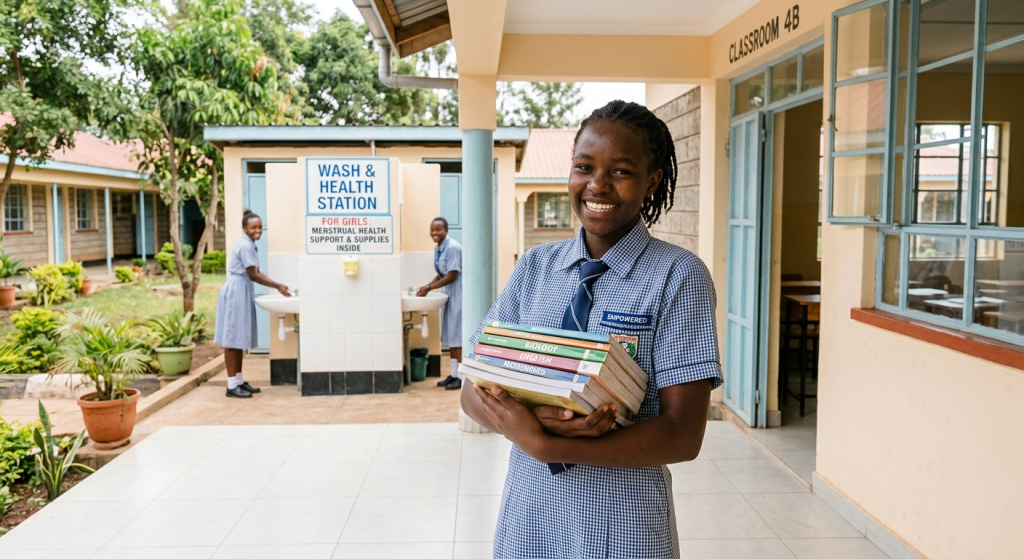
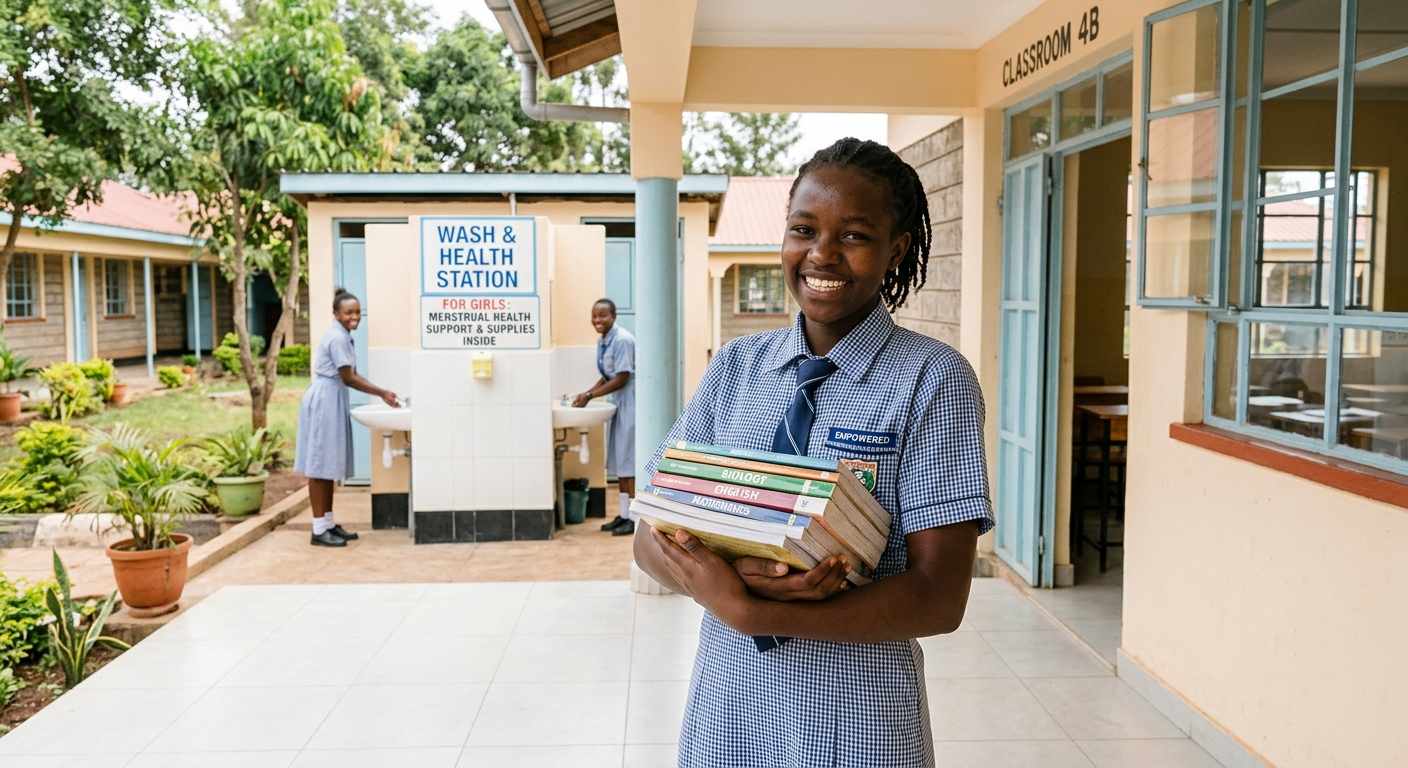
Schools play a critical role in supporting girls during menstruation. Unfortunately, many schools lack the basic facilities needed for proper menstrual hygiene management.
Common challenges include:
- Lack of private and secure toilets
- Limited access to clean water
- Absence of handwashing facilities
- No disposal bins for menstrual waste
Without these essential facilities, girls may feel uncomfortable managing their periods at school, leading many to miss classes entirely.
3. Cultural Stigma and Menstrual Taboos
In many communities, menstruation is surrounded by myths, misconceptions, and cultural taboos.
Girls are often taught to keep menstruation secret, making it difficult to seek help or discuss their concerns openly. Some communities associate menstruation with shame or impurity, creating an environment where girls feel embarrassed about a natural biological process.
This stigma can negatively affect self-esteem and contribute to absenteeism, particularly among adolescent girls who are already navigating significant physical and emotional changes.
4. Lack of Menstrual Health Education
Many girls reach puberty without adequate information about menstruation. Research suggests that more than half of girls receive little or no menstrual health education before their first period.
Without proper knowledge, girls may experience fear, confusion, or anxiety when menstruation begins. The absence of accurate information can also perpetuate myths and misconceptions among students, families, and communities.
Comprehensive menstrual health education helps girls understand their bodies, manage menstruation confidently, and seek support when needed.
All 4 challenges above directly increase the impact of menstrual health on girls’ school attendance.
Effective Solutions That Improve School Attendance
Solving the impact of menstrual health on girls’ school attendance requires products, education, and facilities. Evidence from multiple studies shows that addressing menstrual health challenges can significantly improve girls’ attendance and educational outcomes.
Providing Free or Affordable Menstrual Products
Free pads directly reduce the impact of menstrual health on girls’ school attendance by removing the cost barrier. Access to sanitary pads and other menstrual products has been shown to reduce absenteeism and improve school participation. When girls have reliable menstrual supplies, they are more likely to attend school consistently and engage actively in learning.
Governments, schools, non-governmental organizations, and community groups can play an important role in ensuring affordable access to menstrual products.
Improving School WASH Infrastructure
Investing in gender-sensitive sanitation facilities creates a more supportive learning environment for girls.
Essential improvements include:
- Safe and private toilets
- Reliable water supply
- Handwashing stations
- Menstrual waste disposal systems
These facilities help girls manage menstruation with dignity and confidence while remaining in school.
Delivering Menstrual Health Education
School-based menstrual health programs provide accurate information and challenge harmful misconceptions.
Effective programs teach students about:
- The menstrual cycle
- Personal hygiene practices
- Physical and emotional changes during puberty
- Respectful attitudes toward menstruation
Including boys, teachers, and parents in these programs can help reduce stigma and create supportive communities.
Combining Multiple Interventions
Research consistently shows that the most successful programs combine menstrual products, education, and improved sanitation facilities.
Integrated interventions have reduced school absenteeism by as much as 70% in some settings. These comprehensive approaches address both the practical and social barriers that girls face during menstruation.
Success Stories from Africa
These programs prove that the impact of menstrual health on girls’ school attendance can be reduced by 70%. Nigerian programs show how addressing the impact of menstrual health on girls’ school attendance improves confidence.
Nigeria
Despite existing school health policies, many Nigerian schools still lack adequate menstrual health resources and facilities. However, programs that provide free sanitary pads alongside menstrual hygiene education have produced encouraging results.
Girls participating in these initiatives report improved confidence, better attendance, and greater participation in classroom activities.
Sub-Saharan Africa
Across several countries in Sub-Saharan Africa, integrated menstrual health programs have demonstrated significant success. By combining hygiene education, product distribution, and improved sanitation infrastructure, these initiatives have helped increase attendance rates and improve girls’ psychosocial well-being.
The evidence highlights the importance of addressing menstrual health through a holistic approach rather than focusing on a single intervention.
Policy Recommendations for Sustainable Change
Develop Comprehensive National Menstrual Health Policies
Governments should establish and implement policies that address menstrual health through education, infrastructure development, and product accessibility.
Prioritize Inclusion
Special attention should be given to marginalized groups, including girls in rural communities, low-income households, and those living with disabilities.
Engage Communities
Parents, teachers, religious leaders, and community members must be involved in efforts to challenge harmful myths and normalize conversations about menstruation.
Community awareness campaigns can play a vital role in reducing stigma and supporting girls’ education.
Invest in Sustainable Solutions
Long-term investments in school sanitation facilities and environmentally friendly menstrual products can create lasting improvements in menstrual health management.
Conclusion
The impact of menstrual health on girls’ school attendance cannot be ignored if we want gender equality in education. When we address the impact of menstrual health on girls’ school attendance, we unlock girls’ full potential. Menstrual health is far more than a personal issue—it is an educational, social, and public health priority. When girls lack access to menstrual products, adequate sanitation facilities, and accurate information, their education suffers.
By investing in menstrual health education, improving school infrastructure, expanding access to menstrual products, and addressing cultural stigma, communities can help ensure that girls remain in school and reach their full potential.
Every girl deserves the opportunity to learn without interruption. Improving menstrual health management is a powerful step toward achieving gender equality, educational success, and a brighter future for millions of girls worldwide.